

Kimono Robe FAQ
We've pulled together some useful questions and answers to help explain the differences between kimono robes and other garments. We hope this guide also helps you research and choose exactly what you are looking for.
What is a kimono robe?
A kimono robe is a wrap-style garment inspired by the traditional Japanese kimono. Unlike formal kimono worn in Japan, kimono robes are designed for everyday comfort and relaxation. They typically feature wide sleeves, a straight silhouette and a belt that ties at the waist, just like a traditional kimono.
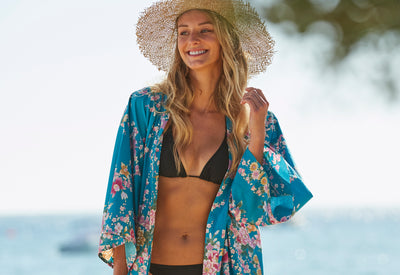
Kimono robes are commonly worn as loungewear, sleepwear, while getting ready for the day, during hospital stays or travel, or for special occasions such as preparing for events or photoshoots. Many can also be worn as a lightweight styling layer, a duster or jacket, or as a relaxed cover-up around the pool or beach.
What is the difference between a kimono robe and a traditional kimono?
Traditional Japanese kimono are formal garments with specific cultural traditions, fabrics and dressing methods. They are often structured and worn on special occasions.
Kimono robes are a modern adaptation inspired by the kimono silhouette. They are designed to be easy to wear, featuring practical fabrics that are comfortable and suitable for everyday relaxation at home.
What is the difference between a kimono robe and a dressing gown or bathrobe?
Both garments are worn for comfort at home, but they differ in design.
Kimono robes typically feature wide sleeves and a straight wrap shape inspired by Japanese kimono. Dressing gowns / bathrobes often have more tailored sleeves and a heavier construction.
Kimono robes are often chosen for their lightweight feel and elegant silhouette.
What is the difference between a men's and a women's kimono robe?
The overall design of men's and women's kimono robes is very similar. Both follow the same wrap-style structure inspired by the traditional Japanese kimono, with wide sleeves, a straight silhouette and a belt that ties at the waist.
The main differences are usually in the cut, length and styling.
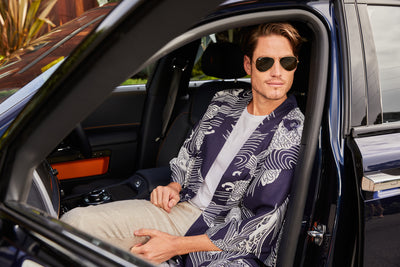
Men's kimono robes are often slightly broader through the shoulders and body to allow for a more relaxed fit. They are also made in diverse prints which reflect the wearers personality, ranging from conservative repetitive patterns, right through to wild and crazy dragon designs.
Women's kimono robes may have a slightly narrower cut and are often available in a wider variety of colours, prints and fabrics.
In practice, many kimono robes can be worn by anyone who enjoys the style and fit. The most important factor is simply choosing a robe that feels comfortable and suits your personal preference.
Are kimono robes comfortable for everyday wear?
Yes. Kimono robes are designed to be comfortable and easy to wear. Their loose wrap design allows freedom of movement, while lightweight fabrics such as cotton, silk or poly satin make them breathable and comfortable throughout the day.
Many people wear kimono robes while relaxing at home, during morning routines and while getting ready for the day. They are also fantastic for winding down in front of the TV.
What fabrics are kimono robes made from?
Kimono robes are available in several fabrics, each offering a different feel.
Common options include:
-
cotton for breathable everyday comfort
-
silk for a soft and luxurious feel
-
poly satin kimono robes for a smooth and elegant finish
The best fabric often depends on the season, where you live and how you plan to wear the robe.
Can kimono robes be worn outside the house?
Kimono robes can definitely be worn as a lightweight layering piece over casual clothing.
Silk and cotton kimono robes in particular can be styled as relaxed outerwear or worn as a beach cover-up.
Are kimono robes good for bridal or getting ready robes?
Yes. Kimono robes are popular for weddings because they are comfortable and easy to wear while getting ready. They also look beautiful in photographs, creating an elegant atmosphere while preparing for the day.
Their wrap design avoids pulling garments over the head after hair and makeup have been completed, which makes them a practical choice for brides and bridal parties.
How do you choose the right kimono robe?
When choosing a kimono robe, consider the fabric, length and how you plan to wear it.
Think about where you live. Is the climate warm or cooler? Do you use heating in winter? We often suggest that once you start using heating regularly, a cosy dressing gown or bathrobe may feel more comfortable. When the weather warms up again, many people return to wearing their kimono robe.
Most people find it helpful to have two garments like this in their wardrobe — one for cooler weather and one for warmer weather.
Cotton kimono robes are often preferred for everyday comfort, while silk or satin robes may suit special occasions or if you enjoy a more luxurious feel. Longer robes provide more coverage, while shorter robes can feel lighter and cooler.
How long should a kimono robe last?
A well-made kimono robe should last many years when cared for properly. The lifespan will depend on the fabric, how often it is worn, and how it is washed.
As a general guide, a quality kimono robe can last between five and ten years with regular use. Lightweight fabrics worn daily may naturally show wear sooner, while robes that are washed gently and worn occasionally can last much longer.
Many people find that when a robe is well made and cared for properly, it becomes a long-term favourite that stays in their wardrobe for many years. At Beautiful Robes, we often hear from customers who are still enjoying their robes close to a decade later.
How should you care for a kimono robe?
Care instructions depend on the fabric.
Cotton robes are often machine washable, while silk kimono robes may require gentler washing or hand washing. Satin robes are typically easy to care for but should be washed on a delicate cycle.
Always check the care instructions for your specific robe.
Where can you buy kimono robes?
Kimono robes are available from a range of retailers, including boutique brands and department stores. However, the quality, fabric and fit can vary widely between retailers.
Specialist brands often focus on thoughtful design, comfortable fabrics and silhouettes inspired by the traditional kimono.
If you are looking for elegant kimono-style robes designed for comfort and everyday wear, you can explore the collection at Beautiful Robes.